Hello everyone,
I’m joining this forum from Japan.
First of all, I’m really proud of myself for finding this community on my own! I’m not very familiar with using forums, and it sometimes takes me a bit of time to communicate in English, so I appreciate your patience.
I live with five cats😸, and I’m deeply committed to managing their health.
My approach goes beyond comfort—it’s about active maintenance and adjustment to help keep them stable. I carefully track data such as body weight, hydration (targeting 180cc daily), and clinical test results.
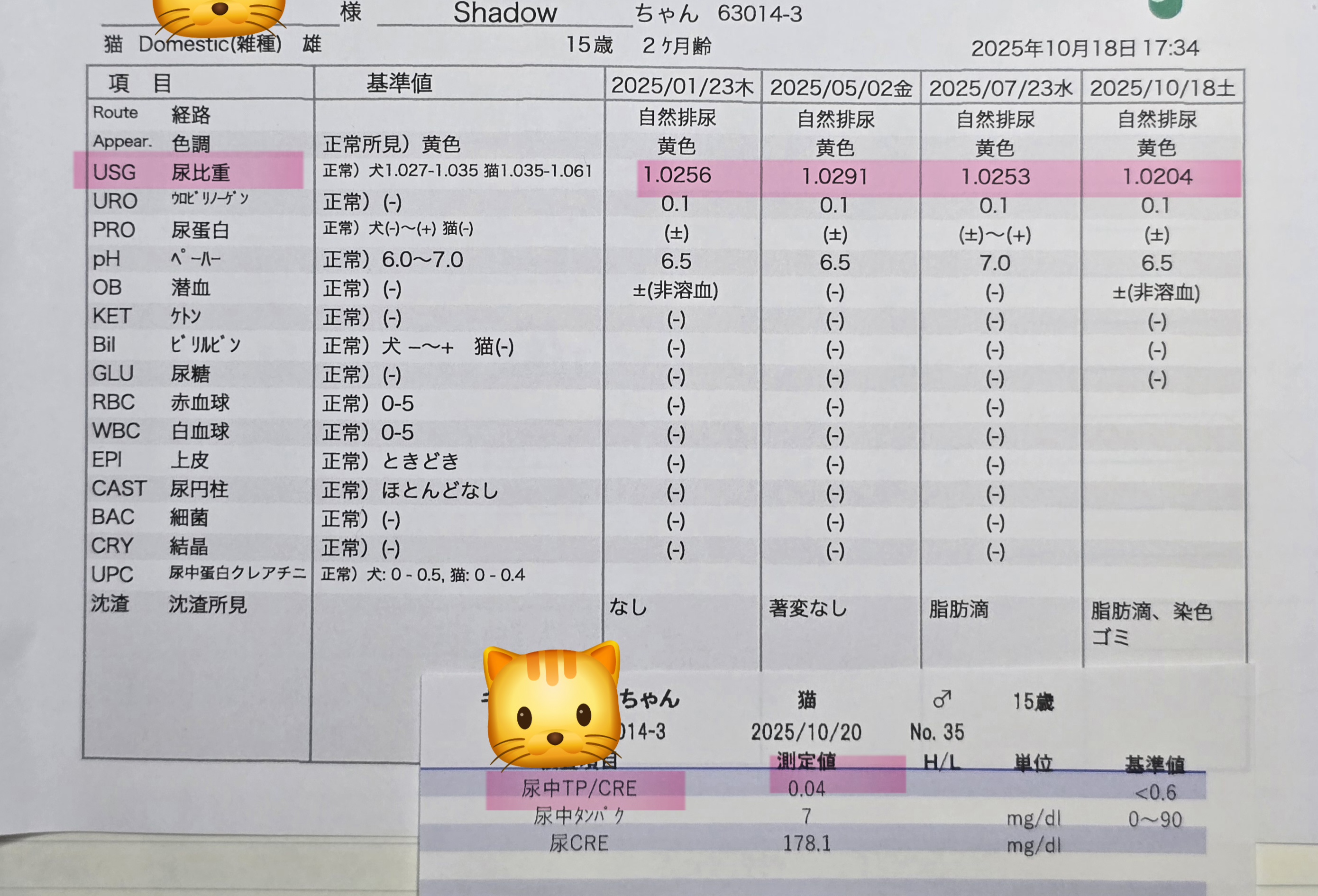
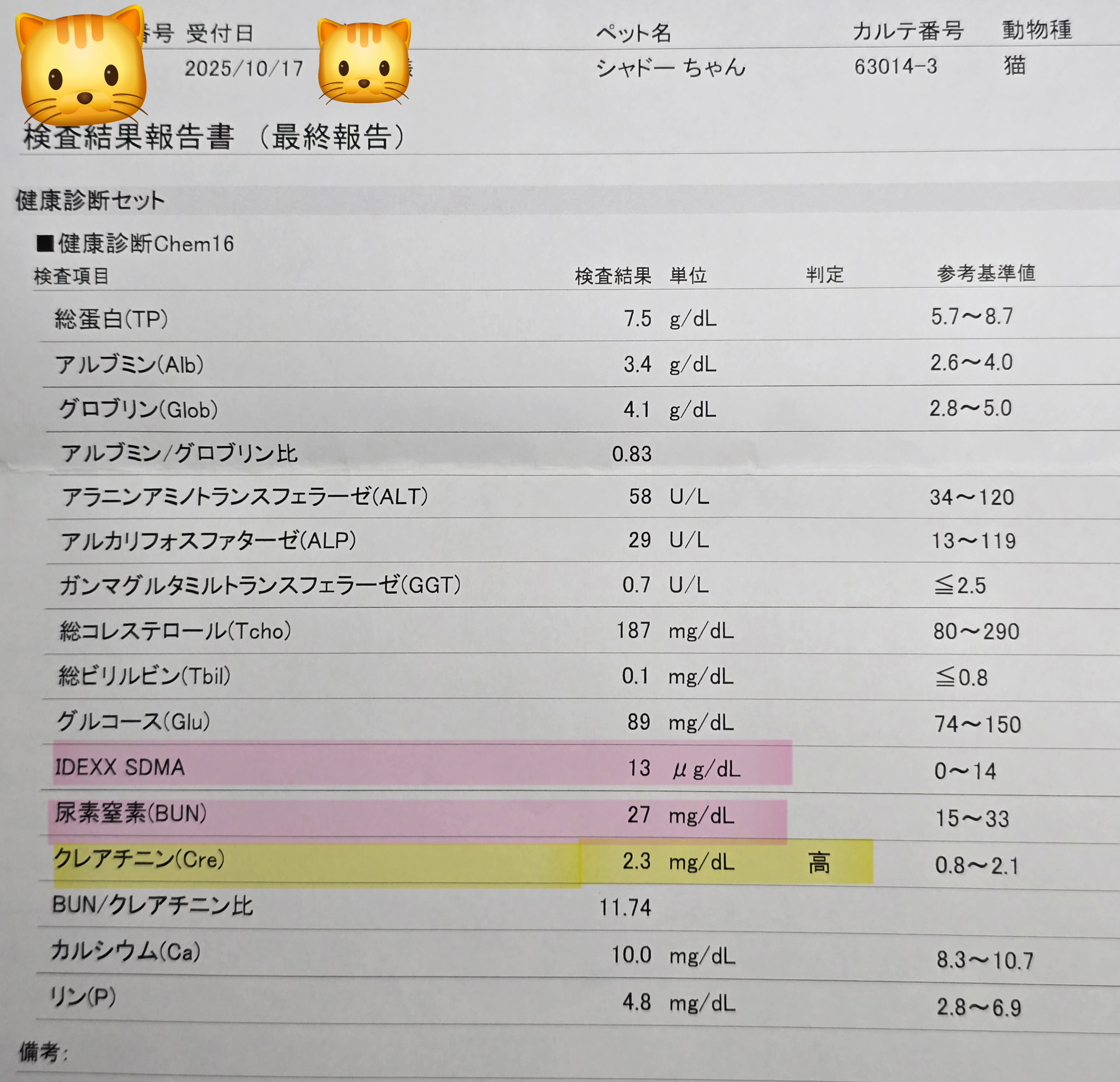
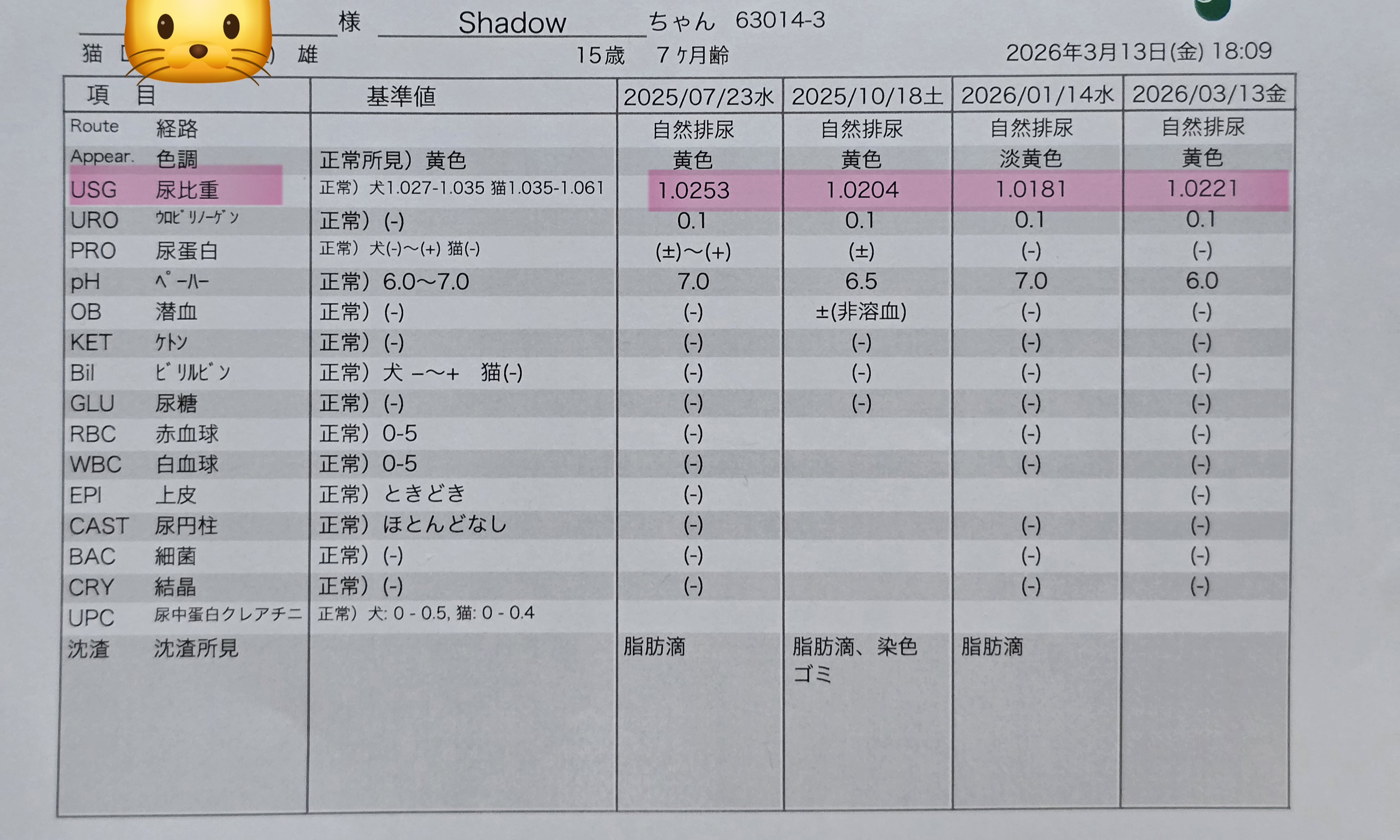
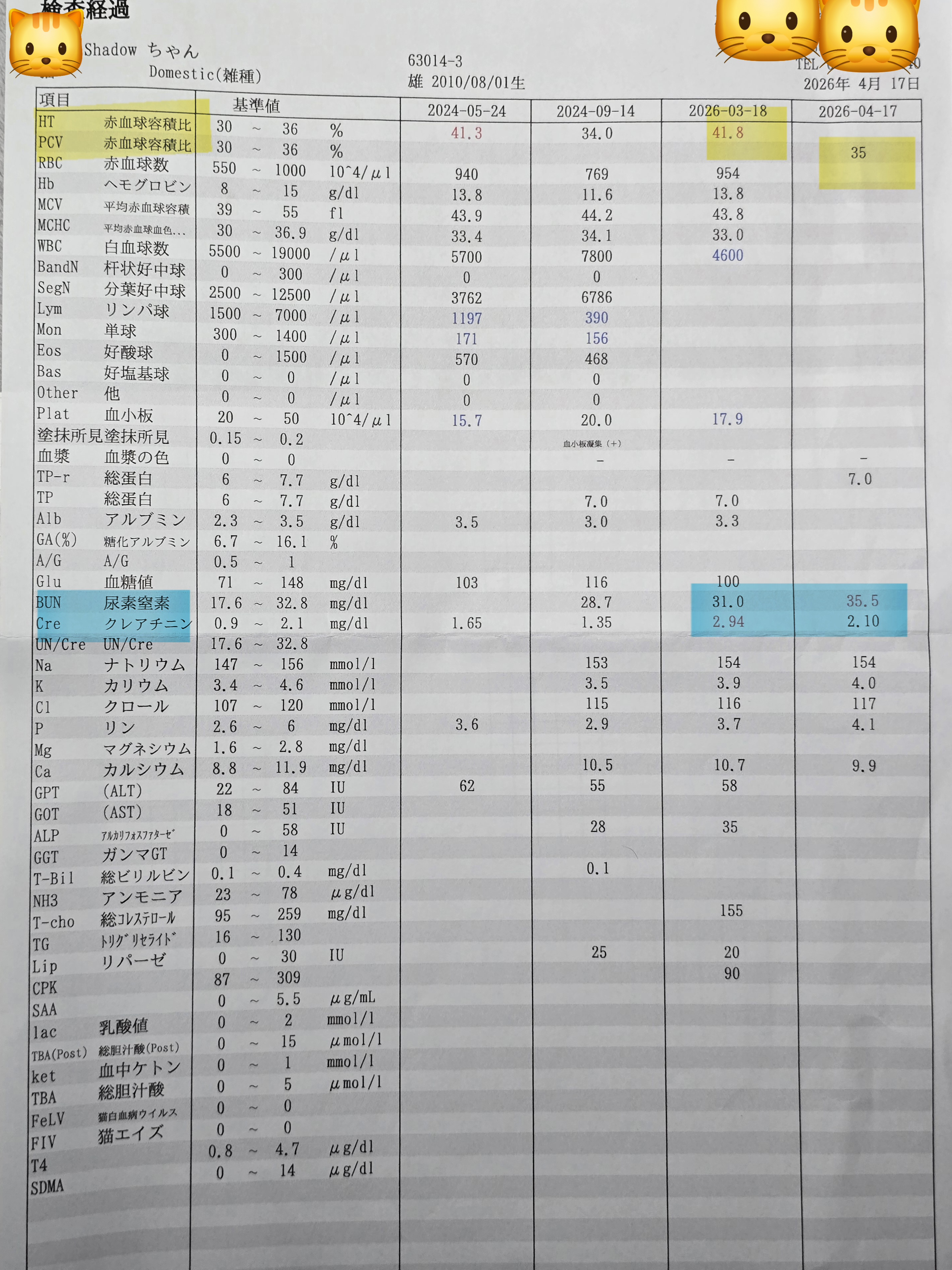
Before my ICES PEMF device arrives, I’d like to start this thread as a record of my cats’ data, including blood test results and urine specific gravity. I want to be as prepared as possible to support their well-being.
I’m really looking forward to learning from this community.
It will be interesting to receive updates to learn how the PEMF may be helping the well being of your cats.
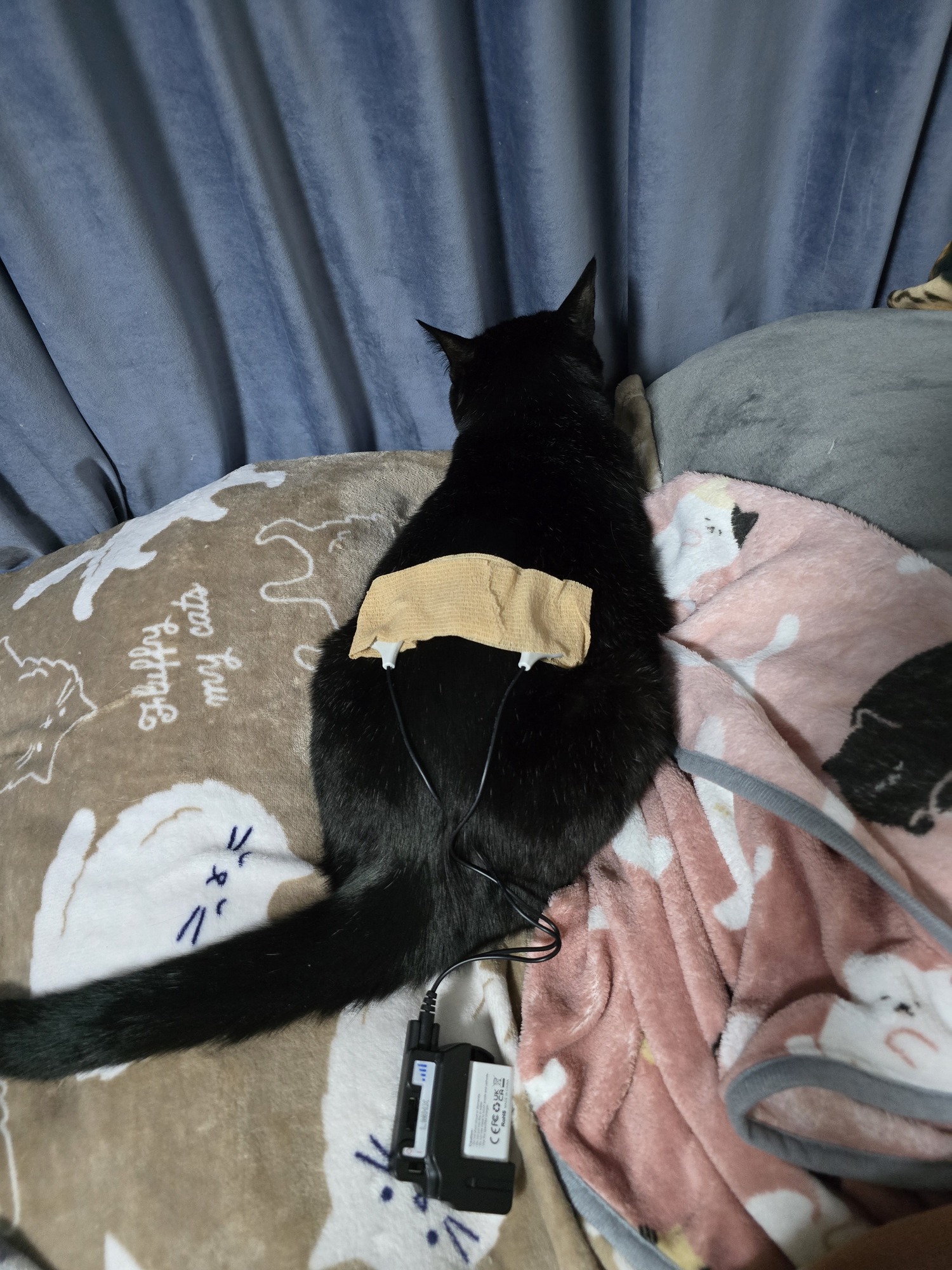
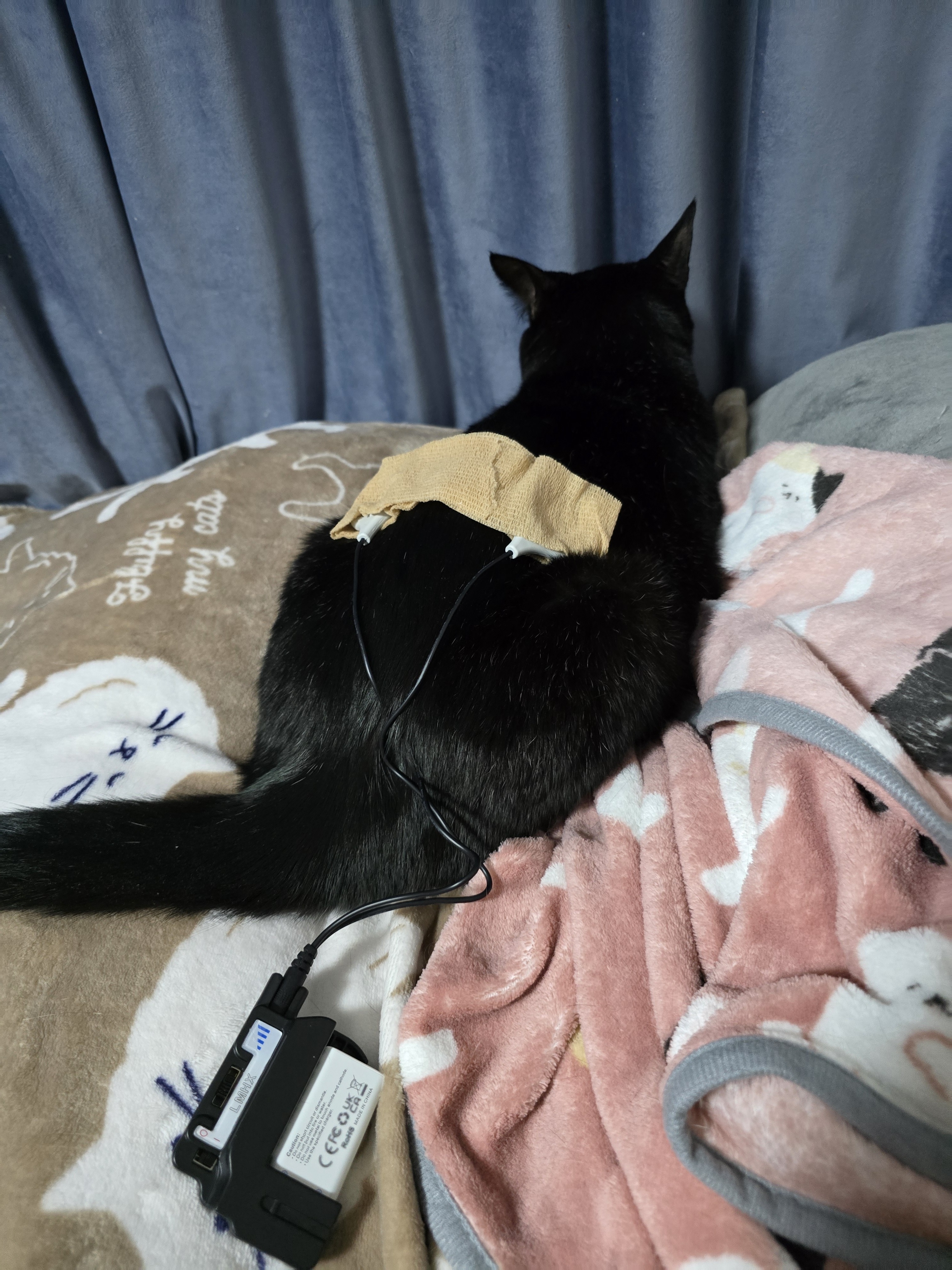
Finally, the device arrived today after a delay due to the Japanese holidays!
I immediately started the first session for my black cat, Shadow .
Day 1 Session Details:
- Duration: 120 minutes (while he was fast asleep)
- Intensity: Medium
- Power: Freshly charged battery (Max)
- Setup: Secured the coils using taping, following the tutorial videos carefully.
I could hear a faint “ticking” sound when I leaned in close, confirming the pulses were active. Shadow stayed completely relaxed and slept deeply throughout the session.
I am hoping this will support his kidney health and help manage the cyst on his right kidney. We are committed to this “active maintenance” every day!
Thank you for your comments! I’m happy to share my update from the first day.
hi,
is this for helping with symptoms or ailment or just maintenance?
how’s progress?
To be honest, I don’t have enough specialized knowledge about PEMF yet, as I’ve only just started using it.
I’m hoping it may help slow the progression of kidney disease, but I’ll need the June blood test results to see any objective changes.
When you say “helping with symptoms” versus “maintenance,” what specific changes or indicators are you referring to? I’d love to understand your perspective and apply it to my observations.
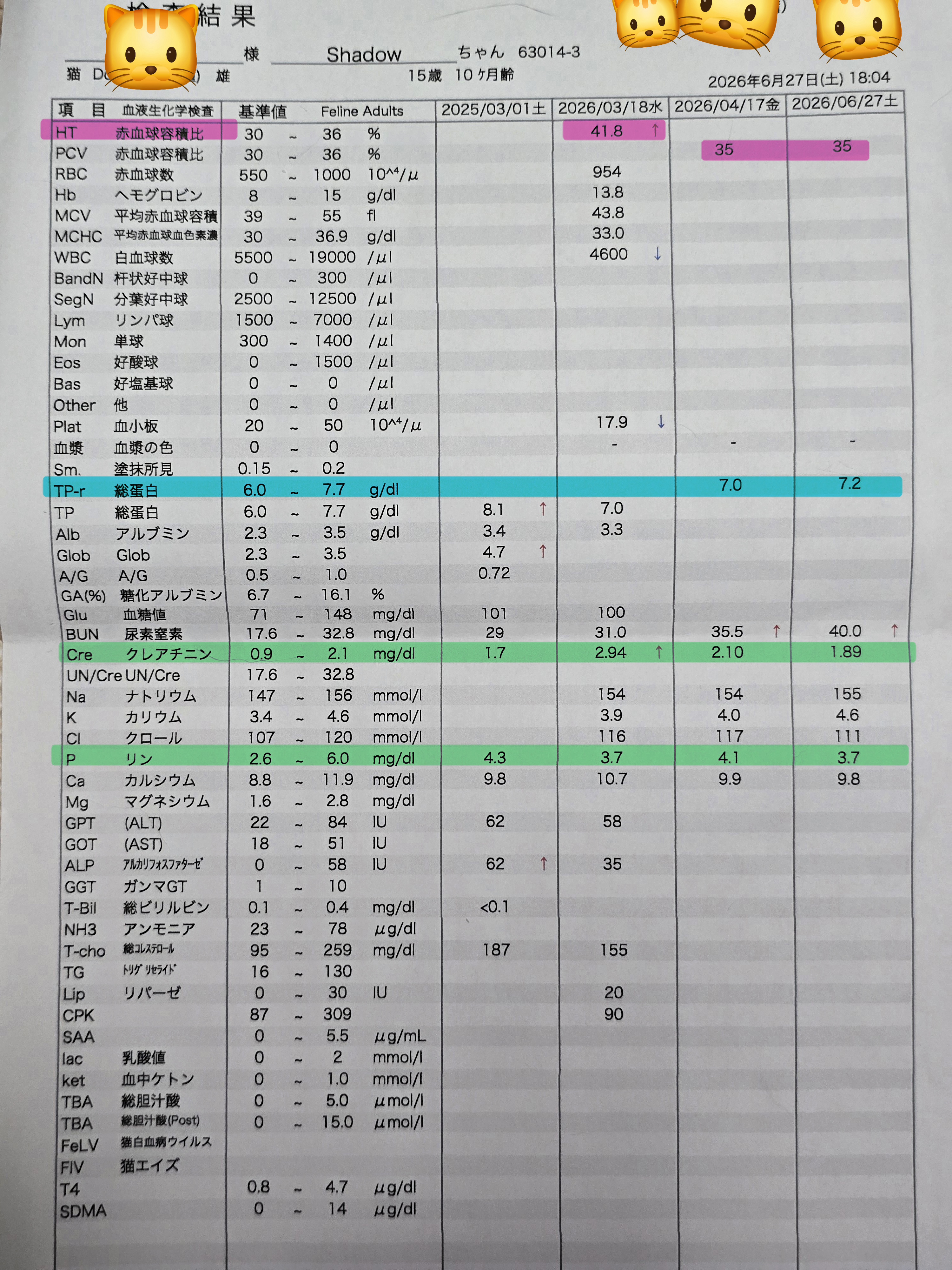
Update: Blood Test Results & Vet’s Insights (June 27, 2026)
I would like to share Shadow’s latest blood work and the key insights from our veterinary checkup on June 27.
Latest Blood Parameters
• BUN: 40.0 mg/dL (up from 35.5 on April 17)
• Creatinine: 1.89 mg/dL (down from 2.10 on April 17 — now back within the reference range!)
• PCV: 35% (stable)
• Phosphorus §: 3.7 mg/dL (stable)
• Total Protein (TP): 7.2 g/dL (slightly increased from 7.0)
Veterinary Insights
Excellent Hydration
The veterinarian found no signs of dehydration during the physical examination.
Our daily routine of helping Shadow drink approximately 180 cc of water orally was highly praised as “the most natural and least stressful approach possible.”
Creatinine & Phosphorus
The decrease in creatinine back into the reference range, together with the stable phosphorus level, were considered the most reassuring indicators of his current kidney status.
BUN & Total Protein
Although BUN increased slightly, the veterinarian explained that it is not at a level requiring any specific intervention.
Since Total Protein actually increased slightly (+0.2 g/dL) rather than decreased, gastrointestinal bleeding is considered very unlikely, as internal bleeding would typically cause Total Protein to fall.
The small rise in BUN is therefore more consistent with a very minor variation in hydration status, and the veterinarian was not concerned.
Diet
Shadow has remained on exactly the same diet. We have not switched him to a prescription kidney diet.
We are continuing his current nutritional plan while carefully monitoring his blood work.
Next Strategy
Shadow’s overall condition remains very stable, so our next routine blood test is planned for late September, about three months from now.
About two weeks before the next blood test, we plan to perform a urinalysis, including a UPC (Urine Protein-to-Creatinine Ratio) test, to monitor for proteinuria.
We will continue our precise daily hydration routine along with daily PEMF sessions while monitoring his progress carefully.